
Give us a call M-F (6am-10pm CT), Sat-Sun (8am-7pm CT)

More than a trend and a buzzword, sustainability is a reflection of how people choose to live, consume, and care for the world around them. When a product arrives at the door, more people are thinking beyond the unboxing experience, asking themselves: what do I do with all this packaging ?
As more people pay attention to these issues, brands are also introducing sustainable programs and using recyclable materials for their packaging. In this article, we’ll look at ways to recycle cardboard boxes, pouches, and packaging inserts and explain how certain symbols can make the process simpler and easier.
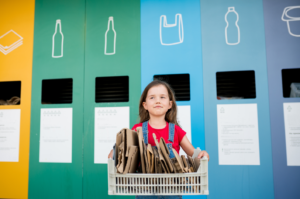
A good first step toward living sustainably is to pay attention to the packaging that comes with the things they buy. Recycling or reusing packaging boxes, mailers, and pouches is a simple process, but each one needs its own approach.
When people don’t have clear information, they often put things in recycling bins that can’t be processed. This habit, called wish-cycling, can hurt eco-friendly programs. That’s why it’s important to share clear steps that everyone can follow.
The Federal Trade Commission introduced the FTC Green Guides in 2012 to help companies make honest and clear environmental claims about their packaging. These guidelines tell brands to state if their packaging is recyclable or made from recycled materials.
Programs like How2Recycle build on these standards by providing a simple labeling system. Many brands work with this organization, adding labels like “Widely Recyclable,” “Store Drop-Off,” “Check Locally,” and “Not Yet Recyclable” to their packaging, helping people dispose of these items responsibly. The system also shows how to prepare materials, making things more efficient.
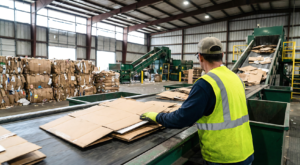
The FTC green guides and recycling labels make recycling easier for everyone. So, how can we use them for our packaging? Let’s begin with shipping boxes.
Shipping boxes are popular because they are sturdy and easy to use. Most cardboard boxes and mailers are also made from recyclable materials and recycling them is simple if you follow a few easy steps.
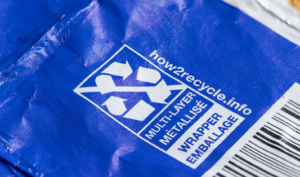
Flexible pouches are a popular choice for storing retail products because they are lightweight, compact, and efficient. However, these same features can make them hard to recycle. Many pouches use several layers of different materials, which makes sorting and processing at recycling centers more difficult. To help reduce waste, always dispose of pouches responsibly and follow the instructions on their labels.
1. Follow How2Recycle pouch labels
Look for the How2Recycle label on the pouch before throwing it away. Many flexible pouches have instructions like “Store Drop-Off” or “Check Locally,” which tell you how to recycle them properly. These labels help you find the right recycling option for flexible polyethylene packaging.
2. Identify compostable pouch options
Some pouches are marked as compostable or biodegradable. If you see these markings, take the pouch to a composting facility instead of a recycling center. Composting centers have the right conditions to break down these materials safely and efficiently.
3. Trash or reuse non-recyclable pouches
Sometimes, you’ll find a pouch labeled “Not Yet Recyclable.” This means recycling centers won’t accept it, so it will probably go to a landfill. Before throwing it away, consider reusing the pouch for other purposes. Here are some ideas:
4. Clean and disassemble pouches properly.
Whether you’re reusing the pouches or discarding them at recycling and composting facilities, you need to ensure proper segregation of their materials. Clean and rinse the pouches to remove all food and contaminants.
Remove any rigid components attached to the pouch before recycling it. Spouts, caps, or hard plastic closures should also be segregated in the appropriate recycling bin, especially for compostable pouches.
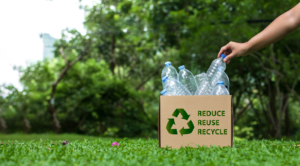
Product inserts are usually included in boxes and shipping containers to keep items safe during delivery and protect the items from damage. As previously stated, it’s important to empty the boxes and take out all the inserts. Once removed, these materials can still be sorted and reused. To cut down on packaging waste, consider whether you can reuse, refuse, or recycle these inserts.
Sustainability means making choices that help protect the environment, both in daily life and in how packaging is made. The FTC Green Book and How2Recycle labels provide clear guidance, so people know how to handle packaging waste, such as boxes, pouches, and inserts, after opening a product.
For people who recycle every day, these easy-to-follow instructions and labels make it easier to live an eco-friendly life. Brands can also support sustainability by designing smart packaging and using clear labels. When everyone takes part, these efforts protect the environment and encourage new, better packaging choices for the future.
PrintPlace’s mission is to provide customers with unparalleled printing services through the knowledge and expertise of its employees.