
Give us a call M-F (6am-10pm CT), Sat-Sun (8am-7pm CT)

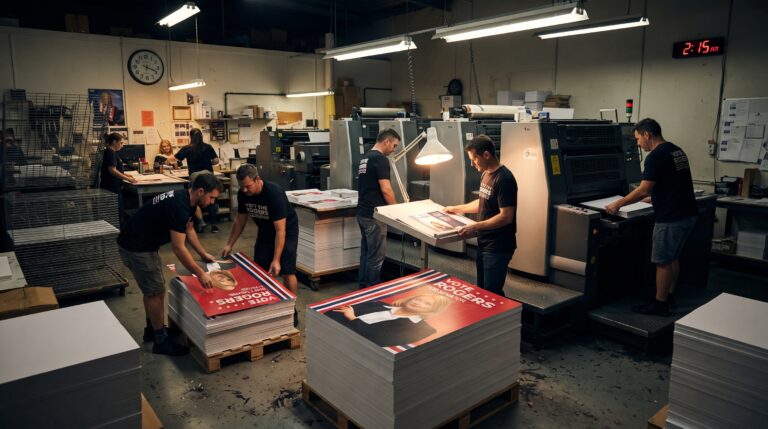
Most campaigns usually face promotional hurdles, requiring last-minute printing and rush jobs. A new endorsement, pop-up events and debates, breaking news, or polling updates can all create an urgent need to change campaign strategies and print new materials.
Sometimes, the materials just run out sooner than planned. No matter the reason, you still need to make smart choices about messaging, quantities, materials, and distribution, even when moving fast. The best way is to start with when voters need to see your message and plan backward from there. In this article, we’ll share practical steps to help you handle last-minute campaign printing and save time.

Political campaigns move fast, and new events often give you a chance to connect with voters using fresh materials. But these moments also lead to a lot of last-minute print jobs. Before handling urgent print requests, it’s important to know what’s driving the need and how it affects your campaign.
Messaging Should Address New Developments
A new endorsement, a strong debate, a policy announcement, an opposition claim, or big news can all be reasons to update your campaign’s messaging.
These situations might require new flyers, postcards, signs, or handouts to share your response while the topic is still on voters’ minds.
Events and Schedules Often Change
As Election Day gets closer, campaign events might be added, moved, expanded, or changed. A new rally, community event, or volunteer activity could mean you need more signs, handouts, banners, or other materials.
Demand Might Be Higher Than Planned
Sometimes campaigns use up printed materials faster than expected. More volunteers, extra canvassing, successful events, or higher voter interest can quickly run down your supplies.
Distribution Timelines Can Change
Printing is just one step in meeting your deadline. Materials still have to get to campaign offices, volunteers, events, or voters. If mailing schedules, field activities, or delivery needs change, you might have less time to print.
Once you know all these details, you can easily work backward from when voters need the materials and plan your rush printing strategy.
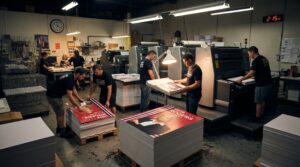
You don’t have to update every printed item each time your campaign changes. When something new happens, think about which materials will be most useful. Ask yourself these two questions to help you decide:
How fast does your message need to get to voters? Some messages are time-sensitive, like an endorsement, debate, or rally. Others stay relevant for a longer time.
How much detail should your message include? A simple announcement may only need the basics, while a policy response or complex issue will require more explanation.
By considering both factors, you can pick the best print format for each situation.
| Message Situation | Communication Needed | Print Materials |
|---|---|---|
| Rally announcement or endorsement | The campaign should get a clear message out fast, and make sure the announcement happens at the right time. |
|
| Debate follow-up | The campaign should highlight a key message or takeaway while the debate is still on people’s minds. |
|
| Complex policy response | The campaign should respond quickly and give voters enough information for voters to understand the issue. |
|
| Targeted neighborhood outreach | The campaign should send a specific message to certain households. |
|
| Longer-lasting campaign message | The campaign should keep its message visible, especially if it will stay important for a while. |
|
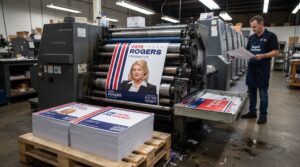
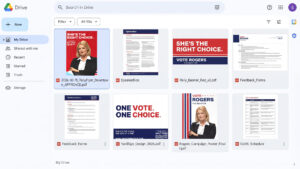
If your campaign team has organized a concrete promotional plan, then you should have your campaign assets in one shared, organized location that teams can quickly access.
Make sure to use up-to-date logos, photos, brand guidelines, templates, disclaimers, URLs, and print specifications when updating your print materials.
Name your files in a consistent way that shows the date, material, location, and approval status. For example: 2026-10-15_RallyFlyer_Downtown_APPROVED.pdf.
Using labels like DRAFT, REVIEW, APPROVED, and PRODUCTION helps keep track of different versions.
Before you place a rush print order, figure out where the materials should go and how many each team will need.
For each job, make sure to define:
If you plan distribution ahead of time, you can print the right amount based on real needs instead of guesses. This also makes sorting, coordination, and delivery easier once the materials arrive.

Urgent projects often get delayed when everyone reviews the same proof but focuses on different things. For example, one person might edit the message while someone else checks event details, QR codes, or print specs.
To avoid confusion, break the process into two clear approval stages.
Message Approval
Make sure the content is correct before you finalize the design.
Production Approval
After the content is set, check that the final file is ready for printing.
Make sure each stage has a clear owner. For example, the communications team can approve the message, compliance can review the required language, and operations can confirm production and delivery details

Once you have organized the assets and approvals, you should set up your impact deadline. This deadline is the last moment your campaign materials can reach voters and still help your message or event.
For example, if your rally is on Saturday, work backward through each step: distribution, production, final approval, and message approval.
Check these deadlines with your print partner, including details like quantity, finishing, capacity, and delivery. If printing cannot meet your deadline, use another channel first and follow up with print materials.

Imagine an opponent sends out a mailer criticizing your candidate on Thursday, only two days before weekend canvassing starts.
Instead of rushing to create a new mailer, the campaign should focus first on helping canvassers answer voters’ questions about the issue in a consistent way.
Here’s how a quick response could work:
Rather than responding everywhere at once, the campaign should focus first on the most urgent voter interactions and only expand the response if needed.
Put the voter’s needs first, and then plan your production steps to support that.
What campaign materials should be printed first?
Start by printing the materials that meet your most urgent communication needs. Use flyers for quick distribution in the field, banners for events, brochures to share detailed information, postcards for targeted outreach, and yard signs for lasting visibility.
How quickly can political signs and flyers be printed?
How long printing takes depends on the printer, the type of product, how many you need, and delivery details. Always check the full timeline from when you approve the final files to when you’ll get your order before setting a deadline.
What should a campaign do if messaging changes after a print order has been submitted?
Reach out to the printer right away to find out if you can change or cancel the order. After that, update your campaign message and make sure to replace any old files.
How can campaigns prepare for unexpected events?
Set up a rapid-response plan before any urgent situation comes up. Decide who will approve messages, check for compliance, manage production, and take care of distribution.
Last-minute printing is a common part of running a campaign and can happen for many reasons. Even though it requires quick decisions, teams can get ready before things become urgent. Setting clear roles, keeping assets organized, having trusted production contacts, and planning realistic timelines all help make urgent requests easier to handle. Testing the process ahead of time can also reveal any problems. When last-minute printing is needed, being prepared helps teams move smoothly from approving messages to reaching voters.
PrintPlace’s mission is to provide customers with unparalleled printing services through the knowledge and expertise of its employees.