
Give us a call M-F (6am-10pm CT), Sat-Sun (8am-7pm CT)

TL;DR
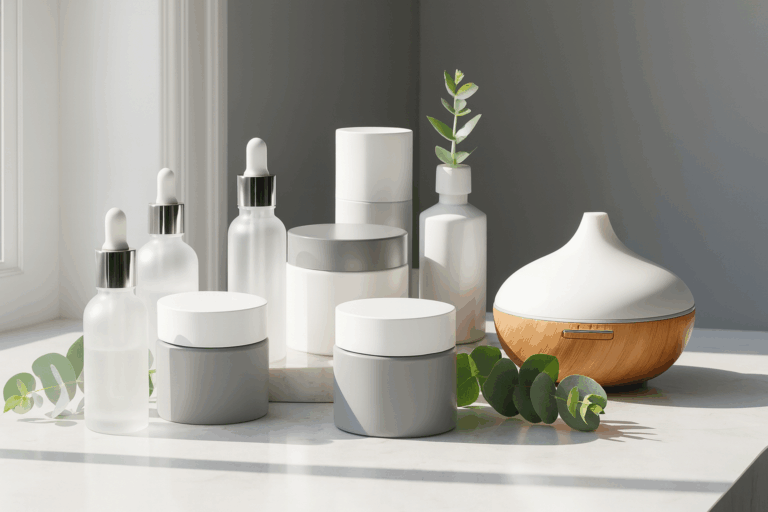
Custom labels play an important role in packaging and product branding. They help products stand out on shelves, share important details, and make a strong first impression. A well-designed label can instantly tell a story about a brand including style, quality, and personality.
The printing industry has shaped the custom labels evolution. What started as basic, handwritten tags have grown into a range of printed solutions, from colorful product labels, to smart shipping labels. As printing technology improved, labels became easier to customize and faster to produce. It helps businesses of all sizes present their products in a professional way.
Custom labels are a powerful part of modern branding because they influence how customers see a product from the moment they pick it up. Research shows that people form a first impression in about 7 seconds, and packaging is one of the biggest factors in that snap judgment. A custom label helps communicate a brand’s personality. When these elements work together, labels become a visual signature that represents the brand.
According to the Ipsos “Packaging Matters” study, 72% of consumers say that packaging design influences their buying decisions, and labels are a major part of that design. Clear, attractive labels help shoppers understand what they’re buying and feel more confident about their choice. As competition grows across retail and e-commerce, custom labels play a bigger role than ever in helping businesses stand out, tell their story, and connect with customers.
Before the printing industry came into the picture, labels were made by hand. People used simple handwritten tags or basic markings to identify what a product was, who made it, or where it needed to go. These early labels worked for small-scale use, but they didn’t offer much in terms of design, durability, or branding.
Handwritten labels also came with many limitations. They were often messy or hard to read and creating them took a lot of time. Since each label had to be made one by one, it wasn’t practical for growing businesses or large batches of products. The lack of consistency made it difficult for brands to present a professional and reliable image.
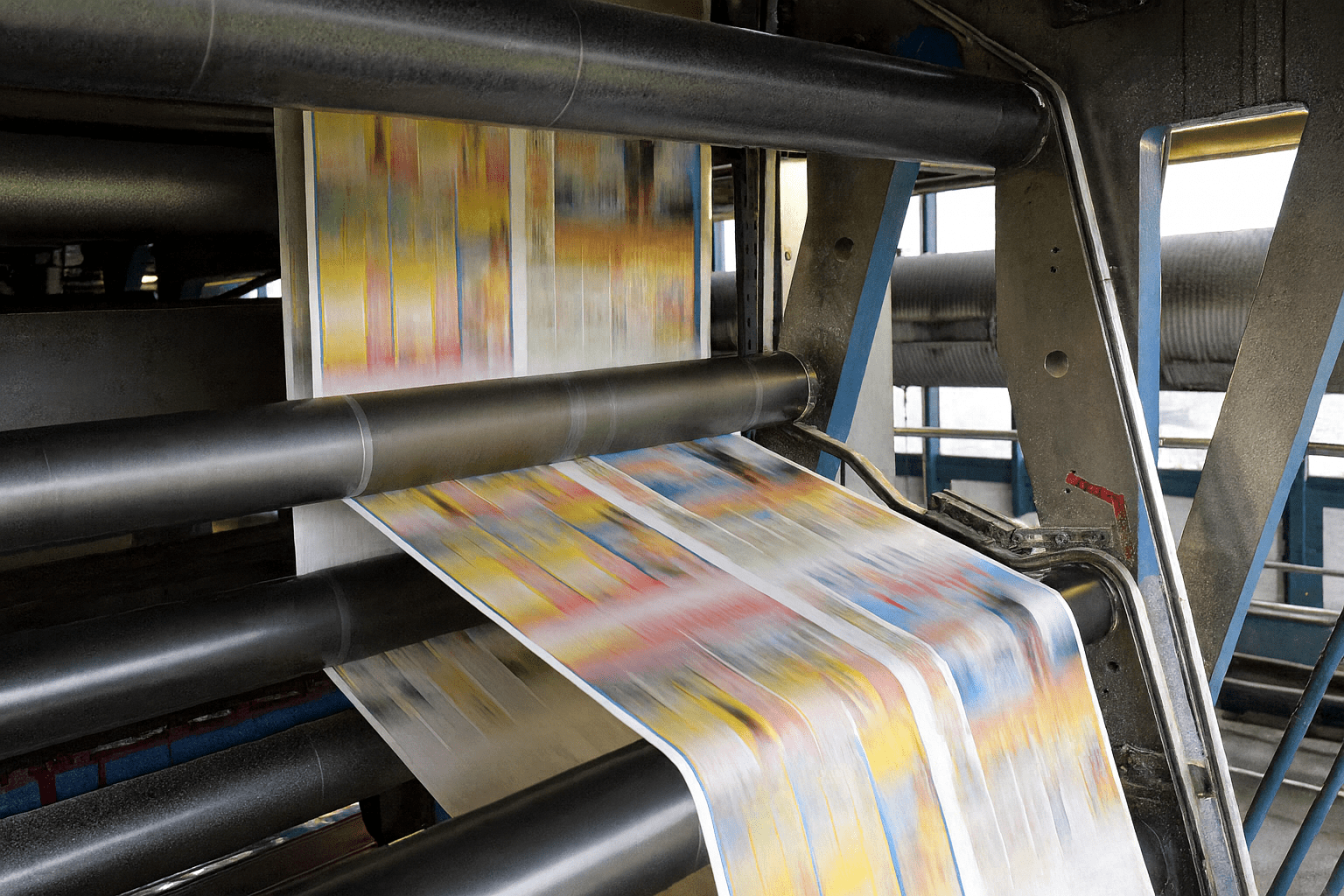
Early handwritten tags worked for small batches and simple trades, but they couldn’t keep up as production increased. When goods began shipping longer distances and appearing on shelves alongside competing products, businesses needed labels that were clearer, more consistent, and easier to reproduce. The rise of packaged goods in the late 1800s and early 1900s also pushed companies to create labels that did more than identify the product. According to historical retail research published by the Smithsonian National Museum of American History, the growth of mass manufacturing created an urgent demand for standardized, printed packaging and labels.
As competition increased, the need for reliable labeling became even more important. Businesses now had to include prices, ingredients, instructions, and safety information. New regulations also began shaping labels, especially in food, cosmetics, and medicine. The U.S. Food and Drugs Act of 1906 and later the Federal Food, Drug, and Cosmetic Act of 1938 required greater transparency and accuracy on product labels. These changes forced companies to adopt printed labels that could meet these rules while still supporting marketing needs.
As businesses grew and production increased, handwritten tags could no longer keep up. This led to the rise of printed paper labels, made possible by lithography and early printing presses. These machines allowed companies to produce labels in large quantities, with consistent quality and clearer designs. For the first time, brands could use labels not only for identification but also for marketing, as printed labels made it easier to show logos, colors, and product information.
Another major change came with the development of pressure-sensitive labels in the mid-20th century. These “peel-and-stick” labels removed the need for glue and sped up the packaging process. They were easier to apply, more durable, and worked well on many surfaces. According to industry estimates, pressure-sensitive labels now make up more than half of all label usage worldwide because they save time, reduce mess, and improve overall efficiency.
Early labels were typically made from basic paper, which worked for dry goods but struggled with moisture, oils, or long-term durability. Over time, businesses needed labels that could survive different environments. This led to the development of stronger paper stocks, coated papers, and eventually film-based materials like polypropylene and polyester. According to the Association for Packaging and Processing Technologies (PMMI), the shift toward synthetic label materials grew rapidly in the late 20th century because they offered better water resistance, stronger tear strength, and longer shelf life.
Adhesives also became an important part of label evolution. The introduction of pressure-sensitive adhesive revolutionized label application and made labels far more versatile. As consumer expectations for quality increased, so did demand for specialty materials like textured papers, eco-friendly kraft stocks, metallic films, and clear “no-label look” options. Reports from FINAT, the European association for the self-adhesive label industry, note that material innovation is now a major driver of growth in the label market, with businesses seeking both durability and premium aesthetics.
The shift to digital printing changed the label industry in a big way. Digital technology made it easier to handle variable data, such as different flavors, scents, or batch codes within the same print run. Today, many printing companies can produce short runs in hours instead of days, helping brands respond faster to market changes. Industry reports have noted that digital label printing has grown more than 5.5% year over year because it offers faster turnaround times, less waste, and lower setup costs compared to traditional printing.
Specialty materials such as textured papers, clear films, or waterproof synthetics give brands more ways to match the label to the product’s purpose. Studies on consumer behavior show that packaging and label design play a major role in purchase decisions, with some surveys suggesting that over 70% of shoppers say the look of a product influences whether they pick it up. This makes print quality and finishing an important part of brand storytelling, helping products appear more premium, trustworthy, and memorable.
Effective label design is rooted in understanding how people visually process information. Colors, shapes, fonts, and layout all influence what customers notice first and how they feel about a product. For example, research published in the Journal of Consumer Research found that color can improve brand recognition by up to 80%, making it one of the most powerful elements in label design. Visual hierarchy, which determines what the eye sees first, ensures that the most important information stands out quickly.
Clear icons, contrasting colors, and simple layouts help customers scan a label without feeling overwhelmed. Even spacing, alignment, and shape can influence trust; clean, organized labels are often seen as indicators of high-quality products. Modern businesses also use design elements like foil accents, textured finishes, or unique shapes to create a premium feel. Together, these design choices blend psychology and aesthetics, turning a label into a powerful tool for storytelling and conversion.
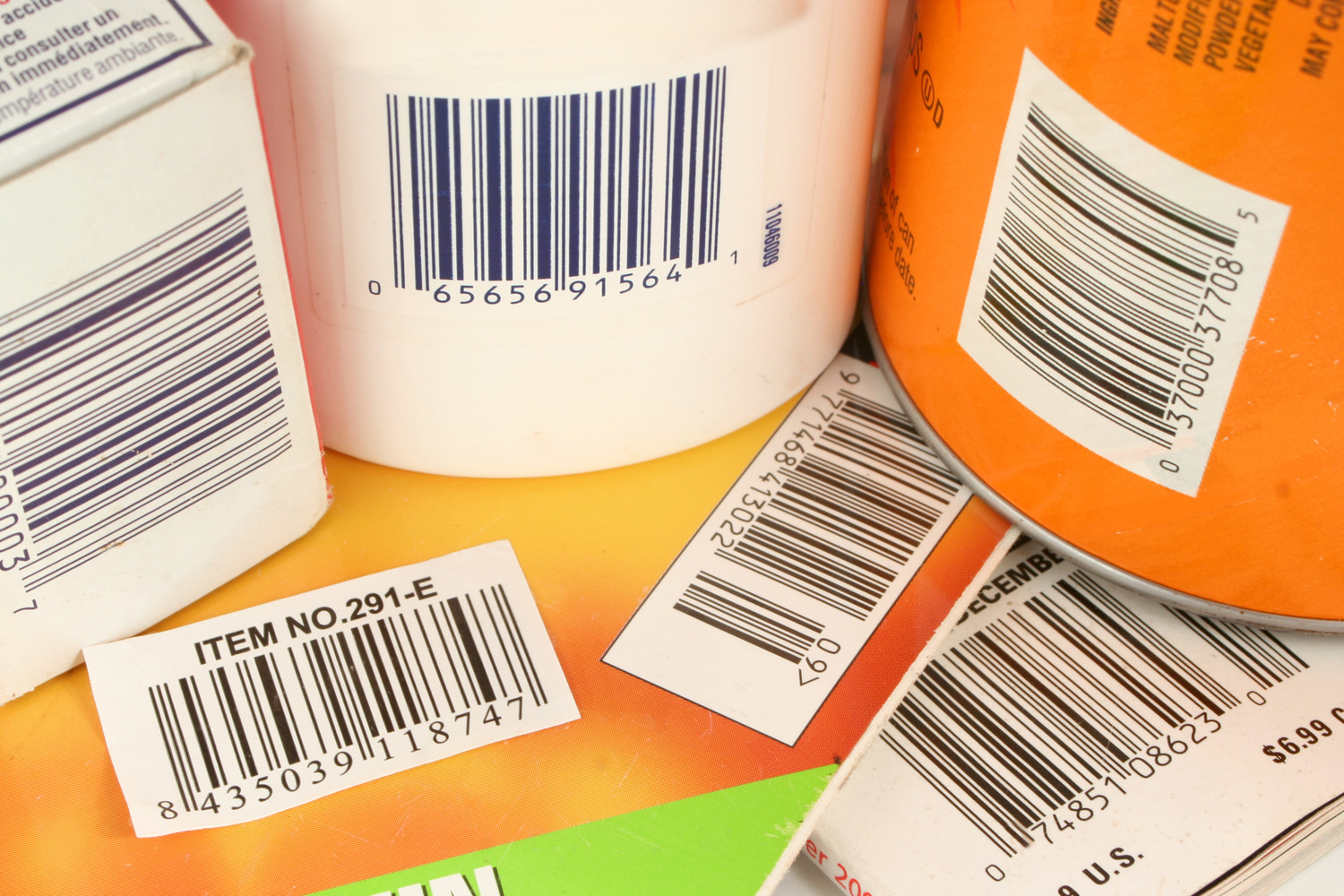
One of the biggest steps forward was the use of barcodes and other data-driven labels. These labels must be printed with high accuracy so they can be scanned quickly and correctly. Today, barcode labeling is a major part of global logistics, and over 90% of retail products rely on barcodes for tracking and sales.
The rise of QR codes, NFC tags, and RFID labels brought even more possibilities. Printing companies now work with these technologies by adding scannable or embedded elements directly into labels. QR codes give customers instant access to websites, instructions, and promotions. NFC tags allow “tap-to-connect” features often used in electronics, cosmetics, and luxury goods. RFID labels support large-scale tracking because they can be scanned without direct line-of-sight, making them valuable in warehouses and supply chains.
Smart packaging also enhances convenience and safety in daily life. In grocery stores, some labels now include freshness indicators that change color when food is no longer safe to eat. Healthcare products may use smart labels to track temperatures during shipping or provide digital instructions to patients. Brands also use interactive labels to build stronger customer relationships. Scanning a QR code might reveal recipes, tutorials, or product backstories. A study published by the Active & Intelligent Packaging Industry Association (AIPIA) found that consumer interaction with smart labels increases engagement and brand trust, especially among younger shoppers. As more people rely on their smartphones for information, smart packaging is becoming an essential bridge between physical products and digital experiences.

Custom labels help products stand out. A clear, attractive design makes a product look more professional and helps customers recognize the brand faster.
Custom labels help products stand out. A clear, attractive design makes a product look more professional and helps customers recognize the brand faster.
Custom labels can include barcodes, batch numbers, and important product details. This makes tracking easier, helps with organization, and supports safety and compliance in many industries.
Well-made labels stick properly, last longer, and are easier to apply. This saves time during packaging, reduces mistakes, and keeps operations running smoothly.
With QR codes or other scannable features added to a custom label, customers can quickly access websites, instructions, menus, or special offers. This creates a simple way to connect offline products to online experiences.
Custom labels can include safety features like tamper-evident materials or unique designs. This helps prevent counterfeiting and shows customers that the product is authentic and safe.
Every product has different needs. Custom label printing lets businesses choose the right material from waterproof, heat-resistant, textured, to clear so the label stays in good condition wherever it’s used.
Custom labels are especially valuable for small and growing businesses because they provide a simple, affordable way to compete with larger brands. Good label design helps even a new product look polished and trustworthy, which is crucial when shoppers compare items on a shelf or online. Studies from the Nielsen Brand Study show that 59% of consumers prefer to buy new products from brands they already recognize, making strong labeling and consistent branding essential for young companies trying to break into the market.
Another major advantage for growing businesses is flexibility. With digital printing, companies can order labels in small batches, test different designs, or create seasonal and limited-edition products without high costs. This allows brands to experiment, refine their visuals, and respond quickly to customer trends. According to Shopify’s Future of Commerce Report, visually appealing packaging increases customer satisfaction and repeat purchases because it makes the brand feel more premium and intentional.
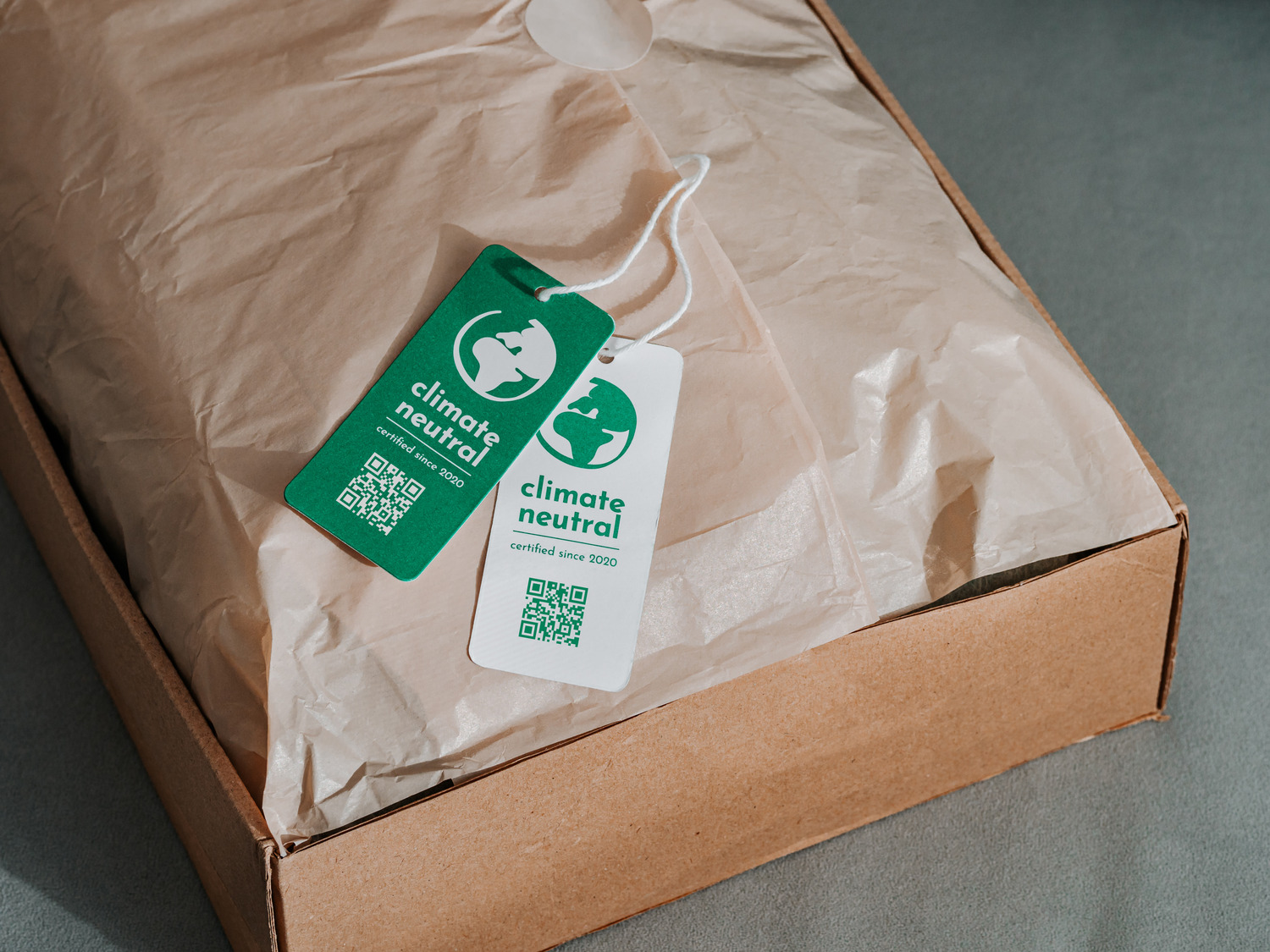
The future of label printing is moving toward more sustainable and smarter solutions. Many businesses are shifting to eco-friendly label materials. Water-based inks and low-waste printing methods are also becoming more common as companies look for ways to reduce their environmental impact without losing quality. New technologies like printed sensors, conductive inks, and IoT-enabled labels are creating products that can communicate information. These labels can track temperature, confirm authenticity, or connect customers to digital content.
Automation is also shaping the future of label production. New equipment can finish labels faster, check quality automatically, and reduce manual work. This leads to quicker turnaround times, fewer errors, and more consistent results. As demand for high-quality, customized labels continues to grow, advanced automation will help printing companies keep up and deliver better products at a faster pace.
Choosing the right label printing partner is an important step for any business because the quality of your labels directly affects how customers see your products. They also ensure accurate colors, sharp details, and consistent results across every order. A good partner will also guide you through compliance requirements, such as ingredient listings, barcodes, or regulatory text, so your labels look great and meet industry standards.
Another benefit of choosing the right partner is efficiency. A knowledgeable printing company can help reduce turnaround times, minimize waste, and offer flexible order quantities. Digital printing capabilities allow for faster revisions, test batches, and seasonal designs without high setup costs. Some printers also offer additional services such as proofing, custom templates, or design support to make the process easier. In a fast-moving market where product presentation matters more than ever, partnering with the right label printer helps ensure your products always look their best.
Custom labels have come a long way, growing and changing as printing technology has advanced. What once started as simple handwritten tags has turned into a world of colorful designs, smart features, and eco-friendly options that help businesses stand out and stay connected with customers.
As new tools and ideas continue to shape the labeling world, printing companies remain at the heart of this progress. They play a key role in bringing modern label solutions to life. The evolution isn’t slowing down, and the future of labels will only get more creative, more efficient, and more connected.

Custom labels help your products look more professional and recognizable. They also let you control the design, colors, and information you want customers to see, which makes your brand stand out.
Traditional printing is best for very large orders but takes more time to set up. Digital printing is faster, great for small batches, and allows easy changes between designs. Many small businesses prefer digital printing because it’s flexible and cost-friendly.
Smart labels make your products more interactive and easier to track. Customers can scan a QR code to get more information, while RFID tags help businesses track inventory without manual scanning.
It depends on where your product will be used. For example, waterproof labels work well for bath and body products, while heat-resistant labels are better for industrial items. A printing company can help you choose the right material for durability and appearance.
Yes. many sustainable label materials are strong, long-lasting, and high quality. Options like recycled paper, biodegradable films, and water-based inks are designed to look good without harming the environment.
Guide to Standard Sticker Sizes
Guide to Creating AI Art for Sticker Printing
PrintPlace’s mission is to provide customers with unparalleled printing services through the knowledge and expertise of its employees.