
Give us a call M-F (6am-10pm CT), Sat-Sun (8am-7pm CT)

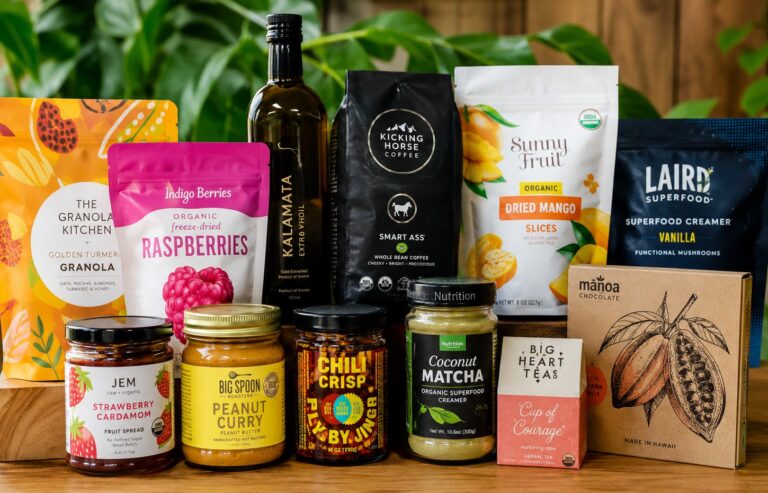
Packaging plays a big role in how specialty food products perform, ship, and stand out in a busy market. As brands grow from local sales to retail stores or online, their packaging must change too. This means updating not only the design but also the materials to make products last longer and meet what customers want.
About 67% of consumers say packaging materials influence their buying choices. Because of this, many food producers use packaging to strengthen their brand and create a special experience for customers. This guide explores common packaging options and helps you choose the best one for your product, sales channels, and business goals.
Picking the right packaging depends on two main factors: how your product acts and where you plan to sell it.
Begin by thinking about your product. Dry goods need to stay dry, oily products need sturdy labels, and fragile items need extra support to avoid breaking.
Next, consider how you’ll sell your product. If you’re selling in person, choose packaging that lets people see the product. For online sales, focus on packaging that’s tough and affordable. In stores, make sure your packaging looks consistent and stands out on the shelf.
Many brands don’t stick to just one type of packaging. They change it depending on how the product will be used.
Below, you’ll find a closer look at some of the best packaging options for meals, condiments, and other food products.
Glass jars are a go-to choice for specialty foods like jams, sauces, honey, and nut butters. Small brands often choose them because they showcase the food product and its quality immediately.
Letting customers see the product helps build trust right away. This matters even more for handmade or small-batch foods, where texture and color are part of what makes them special. At farmers’ markets or specialty shops, this visibility and a clear, well-designed label can make a big difference in sales.
To make the most of using jars, pay attention to both how strong they are and how they look.
Stand-up pouches are now a popular choice for food brands that are expanding, especially those selling online. They are often used for dry goods like coffee, tea, spices, snacks, and powdered mixes.
Pouches are efficient because they are lightweight, take up less space, and are easier to store and ship. For businesses with more orders, this can make daily operations much simpler.
Customers like resealable closures because they make products easier to use again and again. This simple feature can boost satisfaction and help bring customers back.
There are two main types of pouches to think about:
Many brands switch to pouches when shipping costs go up, or storage space gets tight. Pouches are more flexible and are easier to work with, which can factor why they’re easier to ship.
Kraft boxes might not be your main packaging, but they are important for keeping your product safe and making a good impression on customers.
If your product is fragile or comes in a bundle, using a strong outer box helps it arrive safely. This is especially important in e-commerce, where packages are handled many times.
Statistics have shown that 63% of shoppers are more likely to order again if the packaging feels premium. This means your outer packaging can affect whether customers come back, not just their first impression.
Switching from padded mailers to sturdy kraft boxes can help prevent damage and lead to better customer reviews.
Here are some ways to make kraft boxes work better:
Bottles are a good choice for sauces, syrups, oils, dressings, and drinks. They make it easier to pour and let customers control the amount they use. Bottles also look neat on shelves and are simple to organize in stores. Choosing the right closure, like a pump, dropper, or cap, can make the bottle even more convenient, depending on the product’s texture.
You can also choose the material for your bottles. Glass bottles give products a more premium look, but they are heavier and can break more easily during shipping. Plastic bottles are lighter and tougher, making them easier to ship, though some specialty food brands may think plastic does not fit their brand image.
Here are some ways to make bottle packaging work better:
Labels, sealing methods, and internal packaging shape how customers perceive your product and help ensure it arrives safely.
Here are some important things to think about:
These small touches do not cost much, but they can make a big difference. When your package looks good, it shows you care and are professional, which can encourage customers to buy from you again.
How do I choose between jars, pouches, and bottles?
The right choice depends on what you’re selling and how your customers use it. Jars are great for spreads and thick foods. Pouches work well for dry products and snacks. Bottles are best for liquids or anything that needs careful pouring.
Does packaging choice affect shipping costs?
Yes. The weight and size of your packaging have a big impact on shipping costs. Lighter options like pouches or plastic containers can save you money compared to heavier glass packaging.
Do specialty food products need outer packaging?
Outer packaging protects your products during shipping and makes them look better. It’s especially helpful for fragile items, gift sets, or anything you sell online.
Can simple food packaging still look premium?
Yes. A simple, clean label, strong branding, and good materials can make your product look premium without needing fancy or expensive packaging.
What packaging works best for e-commerce shipping?
For online orders, durable and lightweight packaging works best. Pouches, plastic containers, and sturdy outer boxes help prevent breakage and shipping damage.
Should packaging match my target market?
Yes. Your packaging should match your product’s price, your target customers, and your brand style. Premium products often use finer materials, while simple packaging works well for everyday foods.
How important is resealable packaging for food products?
Resealable packaging makes things more convenient and keeps food fresh after opening. It also encourages customers to use your product again, which is great for snacks, powders, and dry goods.
The right packaging helps specialty food brands keep products fresh, ship orders efficiently, and deliver a better customer experience. Good packaging choices strike the right balance between durability, ease of use, visuals, and cost.
Testing your packaging in real situations and making improvements over time can help your business grow. Let PrintPlace offer you practical packaging and custom branding options, so you can create packaging that fits your needs and your customers will surely recognize.
PrintPlace’s mission is to provide customers with unparalleled printing services through the knowledge and expertise of its employees.