
Give us a call M-F (6am-10pm CT), Sat-Sun (8am-7pm CT)


Design Tips for Real Estate Yard Signs
Common Mistakes When Using Real Estate Yard Signs
Best Practices for Yard Sign Placement
Rules and Regulations for Real Estate Yard Signs
Conclusion
Yard sign is one of the most popular marketing tools in real estate, an industry where visibility directly drives consumer decisions. According to the National Association of REALTORS 2024 survey, 61% of real estate agents used yard signs to promote their property listings.
As with any large-format sign, yard signs are only as effective as their design and their ability to communicate a message. Think about it — they are typically viewed by people who are driving and walking by, which means you only have a few seconds to grab people’s attention and persuade them to check out the property or inquire.
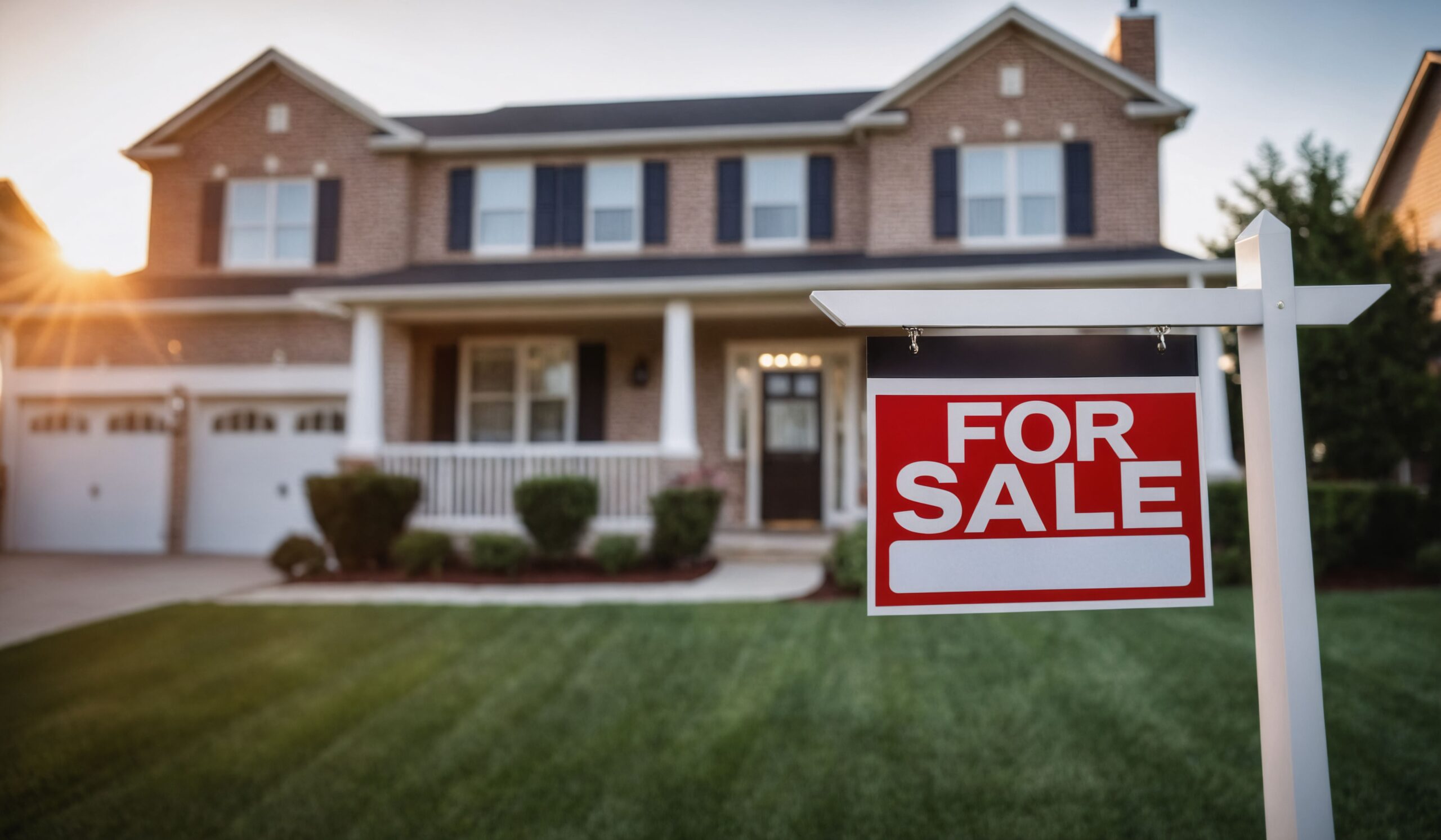
Although yard signs serve different functions — from inviting homebuyers to an open house to announcing new property listings and notifying the public about upcoming developments — they all follow certain design principles to ensure they deliver a clear, memorable message.
Keep It Simple and Bold
Use large, legible fonts and short but catchy headline. The goal is to write a message that people can understand in 3-5 seconds or less.
A minimalist design generally suits yard signs because our brain prefers simplicity. With fewer design elements, readers can focus on the core message, as less visual noise leads to faster comprehension
Prioritize Branding
Always incorporate your logo, typography, colors, and other brand elements into your design. Having a consistent visual identity can help build brand recognition and trust.
High-Contrast Colors
Dark text on a light background (or vice versa) ensures readability from a distance and in less-than-ideal lighting conditions, such as bright sunlight and low-level lighting.
Symbols and Icons
When designing yard signs, symbols and icons can make them more eye-catching and easier to understand. However, use them to support the text, not overwhelm it.
These are the most popular symbols and icons used in real estate marketing:
In many cases, yard signs are the first point of contact between a property and potential buyers, and they play a crucial role in the success of real estate marketing.
Yard signs with cluttered designs, poor layouts, misspellings, and erroneous details can lead to confusion and consumer distrust, as people unconsciously equate the quality of a business signage with the quality of its products or services.
These are some of the most common mistakes realtors commit when using yard signs:
Text Too Small, Thin, or Elaborate
If people can’t read or understand your message at a glance, it won’t convert any leads. The ideal yard sign fonts are bold, simple sans serifs that don’t have “feet” or decorative strokes at the ends of each letter. Top choices include Arial, Impact, Helvetica, Futura, and Proxima Nova.
Cluttered Layout
Overloading the sign with too much text, logos, or graphics makes it confusing. The general rule of thumb is to stick to the essentials (i.e., agent name, contact info, and a clear call-to-action) and eliminate any decorative elements that distract readers from the key message.
Not Enough White Space
The “empty space” plays a critical role in any type of sign, as it allows key details to stand out. The ideal amount of white space for a yard sign is generally 30%-40% of the total design area.
Poor Color Contrast
Yard signs are usually seen from a distance by people who are moving. When the colors between the background and text lack strong contrast, the message becomes blurry and unreadable at a distance and fails to draw attention.
To enhance readability, choose high-contrast color combinations, such as black and white, and dark blue and yellow.
Low-Quality and Neglected Signs
Faded, neglected, and weather-damaged signs look unprofessional and untrustworthy, and in some cases, lead to fines and penalties. For these reasons, you should always invest in yard signs made from durable, UV-resistant materials designed to withstand outdoor conditions.
Hard-to-Read Contact Info
Using small or thin fonts for contact details can reduce a yard sign’s readability. The general recommendation is to use 108-144 pt. font sizes (roughly 1.5-2 inches), which help people understand information without stopping, and work across most lighting conditions.
Generic or Cookie-Cutter Design
Incorporating overused color schemes, slogans, and layouts into your yard sign can make it less impactful. To create a unique, brand-centric sign, start with these fundamentals: brand color scheme, typography, logo, voice and tone (friendly or professional), and key value proposition (something that sets you apart).
Agent-Focused Design
A yard sign’s main job is to advertise a property — not promote its agent. When people see a “for sale” sign, the first things that come to their mind are the price, the unique house features, and the location. The agent or developer is generally not their main concern.
Here’s the winning formula when designing a real estate yard sign:
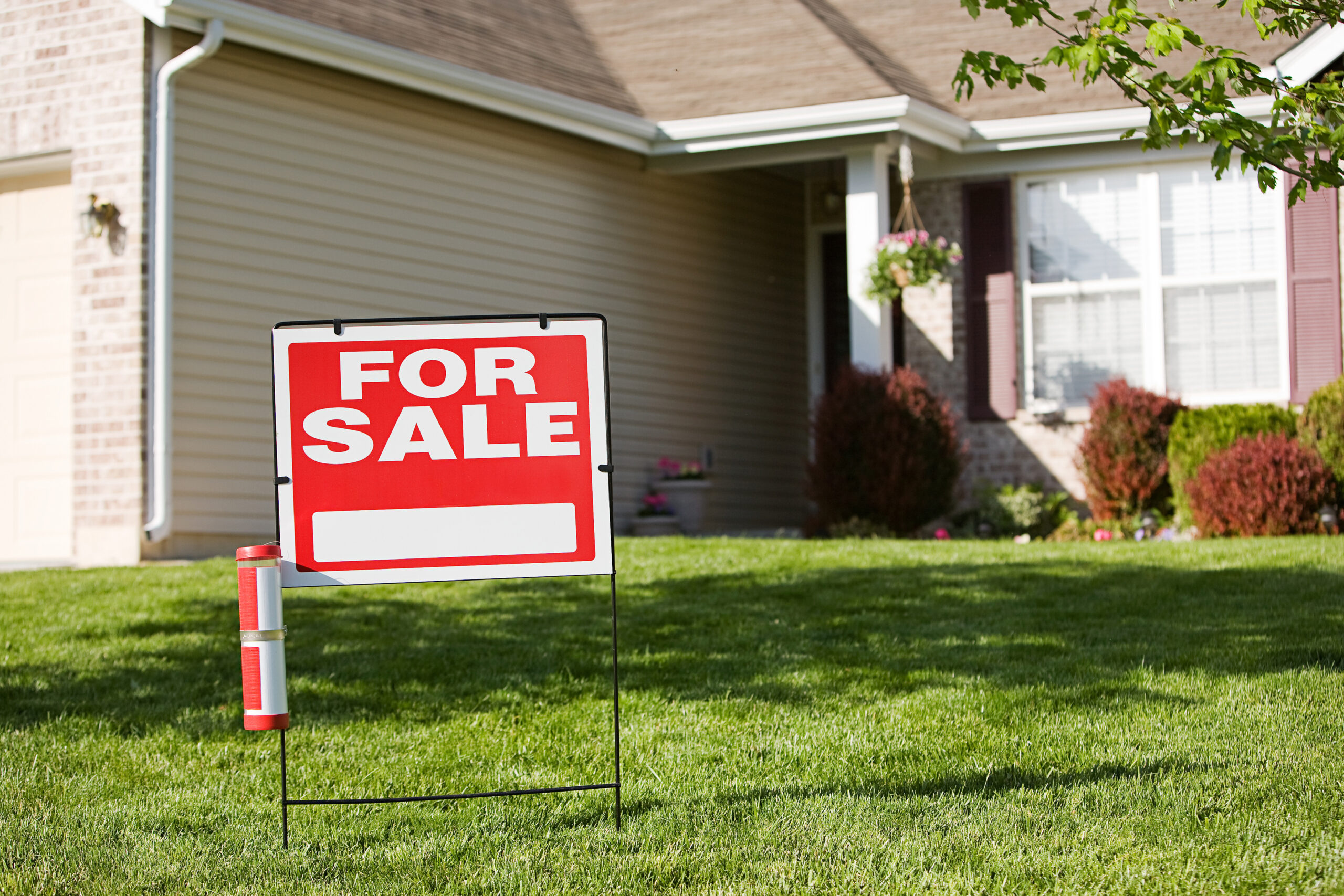
Aside from the design, placement also plays a critical role in the effectiveness of yard signs. The key is to position them in a way that your message is highly visible without posing safety hazards or visual obstructions.
Real estate yard signs are subject to various legal rules and local regulations that may vary depending on your city or municipality.
These design tips and best practices on using yard signs can help you create a message that is eye-catching, compliant, and persuasive, ultimately allowing you to attract more leads and closing deals faster.
Check out this complete yard sign checklist from PrintPlace to ensure it is functional, visually appealing, and compliant.
PrintPlace’s mission is to provide customers with unparalleled printing services through the knowledge and expertise of its employees.